Health and Safety Policy for Landscaping Stjohnswood
 Health and safety is central to every landscaping activity, from small garden maintenance tasks to larger outdoor installations. This policy sets out the approach to protecting workers, clients, visitors, and the public during all landscaping Stjohnswood operations. Our aim is to reduce risk, encourage safe working habits, and ensure that every job is completed with care, competence, and attention to detail.
We recognise that landscaping work can involve many hazards, including manual handling, plant and machinery use, slippery surfaces, weather exposure, and interaction with soil, vegetation, and chemicals. For this reason, landscapers in Stjohnswood must follow a clear system of planning, supervision, and risk control. Safety is not treated as a separate task; it is built into the way work is prepared, carried out, and reviewed.
All employees, contractors, and supervisors are expected to cooperate in maintaining a safe working environment. This includes reporting concerns promptly, following instructions, using equipment correctly, and respecting site rules. A responsible landscaping service must ensure that every person understands their role in preventing accidents and keeping worksites orderly and secure.
 Before any job begins, a suitable risk assessment is completed to identify hazards and determine the controls needed. This applies to mowing, hedge cutting, tree and shrub work, paving, turfing, planting, clearance, and excavation. Each landscaping project in Stjohnswood is planned with attention to access, ground conditions, overhead obstacles, underground services, and the movement of people and vehicles around the site.
Tools and equipment must be maintained in safe working condition. Inspecting machinery before use, checking guards, ensuring blades are secure, and storing items properly are all essential measures. Defective equipment must be removed from service immediately. A professional landscaping Stjohnswood team should never compromise safety for speed, especially when using powered tools or heavy materials.
Training is a key part of this policy. Workers must be instructed in the correct use of hand tools, power tools, lifting techniques, personal protective equipment, and emergency procedures. Landscaping safety depends on competence as well as caution, so staff should only carry out tasks for which they have been trained and assessed as suitable.
Workplace Controls and Safe Practices
 Safe working practices are required on every site. Suitable protective clothing should be worn according to the task, such as gloves, eye protection, sturdy footwear, hearing protection, or high-visibility clothing. The choice of PPE must match the risks involved and be used consistently. Keeping work areas tidy, securing tools, and managing waste promptly also helps reduce trip, cut, and impact hazards.
Manual handling is a significant concern in landscaping because of the weight and shape of materials such as soil bags, paving slabs, timber, and plants. Loads should be assessed before lifting, and mechanical aids should be used where possible. Team lifting must be organised when necessary. A careful landscape maintenance approach reduces strain injuries and supports long-term workforce wellbeing.
Weather conditions can affect safety considerably. Hot conditions may lead to dehydration, sun exposure, or fatigue, while cold, rain, wind, and frost can create slippery surfaces and reduced visibility. Supervisors must monitor conditions and adjust work methods where required. Breaks, hydration, appropriate clothing, and stopping work when conditions become unsafe are all part of responsible landscaping services.
Where machinery is used, only authorised personnel may operate it. This includes mowers, strimmers, chippers, diggers, or compacting equipment. Isolation procedures, safe start-up checks, and clear exclusion zones must be observed. Refuelling should take place in a controlled manner, away from ignition sources, and any fuels or chemicals must be stored securely and labelled clearly.
Planting, pruning, and maintenance tasks must also consider biological and environmental risks. Contact with thorns, allergens, insects, mould, or contaminated soil may cause injury or illness. Appropriate hygiene measures, handwashing, and safe disposal of green waste are necessary. A thoughtful landscaping Stjohnswood policy should also ensure that biodiversity and nearby property are respected during work.
Emergency readiness is essential. First aid supplies must be accessible, incidents reported quickly, and emergency procedures understood by everyone on site. In the event of injury, fire, equipment failure, or hazardous spillages, work must stop until the area is safe. Regular review of incidents and near misses helps improve future controls and strengthens the culture of landscaping safety.
Responsibility, Review, and Continuous Improvement
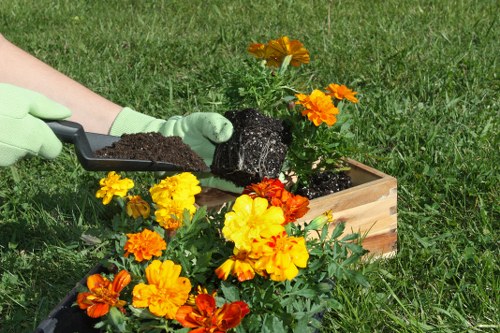 Our management team is responsible for implementing this policy, ensuring adequate training, and checking that safe systems of work are followed. Supervisors must monitor site conditions, enforce standards, and intervene where unsafe behaviour is observed. Employees are expected to take personal responsibility for their actions and to protect others by remaining alert and disciplined.
Contractors and suppliers must also meet appropriate safety standards. Materials should be delivered safely, stored in suitable areas, and handled with care to avoid obstruction or damage. Good communication between all parties helps coordinate work and prevent misunderstandings. A reliable landscape maintenance operation depends on cooperation at every stage of the job.
This policy is reviewed regularly to ensure it remains effective and relevant to changing tasks, equipment, and working conditions. Updates may be made following an accident, operational change, or new risk being identified. Continuous improvement is part of our commitment to safe, professional, and high-quality landscaping services.
Final Commitment
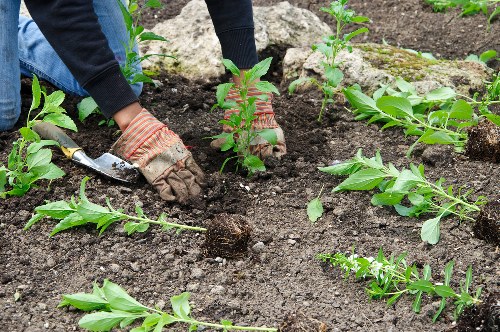 We believe that safe practice is the foundation of excellent results. By applying careful planning, proper training, suitable equipment, and clear responsibility, landscaping Stjohnswood can be carried out efficiently while safeguarding everyone involved. This policy supports a work environment where safety, professionalism, and respect are shared priorities.
In summary, every landscaping activity must be approached with preparation, awareness, and control. Whether the task involves planting, cutting, lifting, or clearing, the same standard applies: work safely, protect others, and maintain a consistent commitment to landscaping safety at all times.